Bringing drones into the classroom can make STEM lessons more exciting, practical, and memorable for students. At the same time, choosing the right program is not always simple. With so many options available, schools need to look beyond the surface and find a solution that truly supports learning, fits classroom needs, and delivers long-term value. Many educators begin by exploring educational drones for schools that align with both instructional goals and everyday teaching realities.
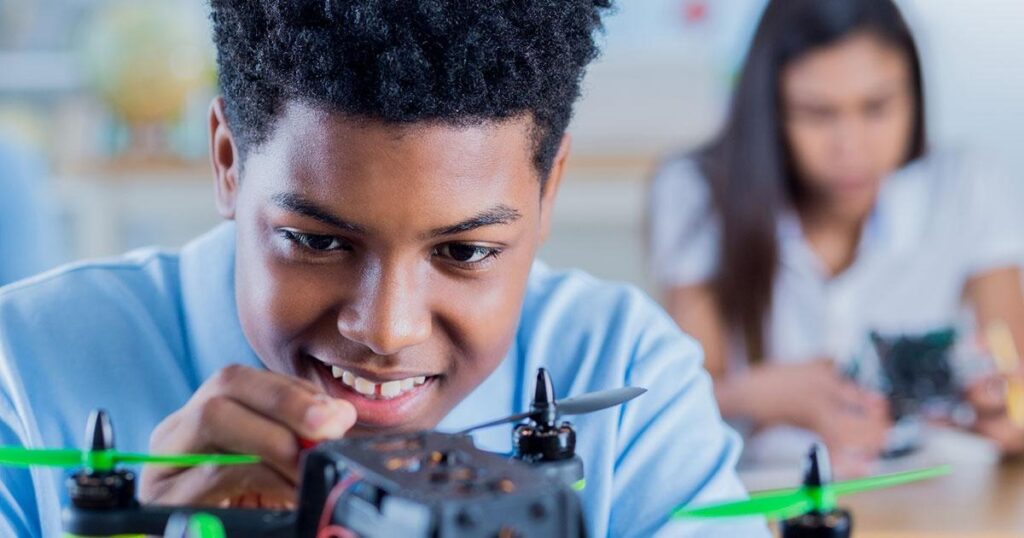
STEM already plays an important role in education. According to NCES data from 2019, about 97 percent of female graduates and 96 percent of male graduates from public and private high schools completed at least one STEM course. That means students are already being introduced to these subjects, but hands-on tools can take that learning much further. A strong drone program helps students move beyond theory and engage with real flight, coding, and problem-solving experiences.
Schools also need to invest wisely. Budgets, time, and classroom demands are often limited, so any drone kit should bring clear educational value while keeping students engaged. At Rocket Drones, we have worked closely with educators to create programs that help students build meaningful technical skills while giving teachers the support they need to lead with confidence.
In this guide, we’ll cover the most important things to consider before choosing a drone kit for your students.
What Matters Most Before You Buy
- Set a budget that supports both quality and long-term learning value.
- Choose a kit that can keep up as students build new skills.
- Look for a provider that offers dependable training and support.
- Find a platform with a simulator for safe and flexible practice.
- Prioritize a program that connects classroom learning to real career pathways.
5 Smart Things to Look for in a Classroom Drone Program
The drone kit you choose can influence how successful the experience becomes for both students and teachers. The right fit can spark curiosity, strengthen technical skills, and support deeper learning. The wrong one can create unnecessary challenges and limit results. Here are five key factors to review before making your decision.
1. Build Your Program around a Realistic Budget
Drone kits can vary widely in price. Some schools may start with a few simple entry-level drones, while others may want a complete educational package that includes curriculum, training resources, and classroom support.
Price matters, but overall value matters more. A low-cost option may seem attractive at first, yet it can fall short in durability, support, or educational depth. A better investment is a program that balances affordability with quality, helping schools creates a stronger learning experience that lasts.
2. Choose a Kit That Can Grow With Your Students
Students often pick up basic flight skills faster than expected. Once they become comfortable with takeoffs, landings, and simple control, they need new challenges to stay engaged and continue learning.
That is why growth potential is so important. The best drone programs allow students to progress into more advanced flight skills, technical concepts, and new opportunities such as competitions or certifications. Many schools compare STEM drone kits for schools when they want a program that can evolve with learners and keep motivation high over time.
3. Make Sure Teachers Receive Proper Training and Onboarding
Even a strong drone kit can fall short if teachers are expected to figure everything out on their own. Many educators have little or no drone background, so upfront training matters just as much as the equipment itself. A provider that offers clear onboarding, practical instruction, and ongoing guidance helps teachers feel prepared from the start and more confident as the program grows. That kind of support builds consistency in the classroom and makes the program easier to sustain over time. When a school only receives a manual without real training, the kit is far less likely to become a lasting part of STEM instruction.
4. Look for a Platform with a Simulator
Not every class period allows time or space for live drone flights. Scheduling limits, setup needs, and classroom conditions can all make regular flying more difficult, especially for larger groups or younger students.
A simulator helps keep learning on track. It gives students a safe digital environment where they can practice the same controls used during real flights. This strengthens confidence, reinforces lessons, and keeps students involved even when drones are not in the air. Since many students are already comfortable with game-style controls, simulator training often feels natural and engaging.
5. Pick a Program with a Clear Path to Certification
The best drone education programs do more than create a fun classroom activity. They help students connect what they learn in school to real-world opportunities beyond graduation.
Programs that support progress toward certifications such as the FAA Part 107 Remote Pilot Certificate offer meaningful long-term value. That credential can open doors in fields such as aerospace, engineering, construction, and media. When students can see a direct path from classroom learning to future careers, the program becomes even more impactful.
Final Thoughts
A classroom drone program can do much more than add variety to STEM instruction. It can build confidence, encourage discovery, and help students develop practical skills that stay with them long after the lesson ends.
At Rocket Drones, we believe students learn best when education is interactive, hands-on, and connected to real possibilities. The right drone kit does not just teach students how to fly. It helps them explore new interests, grow technical skills, and imagine career paths they may not have considered before.
Frequently Asked Questions
Question: What should teachers consider before buying a drone kit?
Answer: Teachers should focus on cost, durability, support, and educational value. The strongest programs include reliable equipment, useful teaching resources, and opportunities for students to keep advancing as their skills improve.
Question: Why is a simulator valuable in a drone program?
Answer: A simulator gives students a safe place to practice when live drone flights are not possible. It helps reinforce control skills, build confidence, and keep students engaged even when classroom conditions are not ideal for real flying.
Question: How do drone kits help students prepare for future careers?
Answer: Drone kits connect STEM learning with real-world applications. Some advanced programs support progress toward certifications like the FAA Part 107 Remote Pilot Certificate, which can help students explore future opportunities in technical and creative industries.
Why Educators Choose Rocket Drones
Rocket Drones builds programs specifically for educators and students. Our kits are designed to be practical, scalable, and easy to use in real classroom environments. Each program includes engaging curriculum, simulator access, and a structured path that can help students move from beginner flight skills to FAA Part 107 preparation.
We believe drones are more than another classroom technology. They are a tool for helping students discover new interests, build valuable skills, and think bigger about what their future can become.